Debunking Common Misconceptions About Artificial Intelligence


Understanding Artificial Intelligence
Artificial Intelligence (AI) is a field that often evokes a mix of curiosity and confusion. Many people hold misconceptions about what AI truly is and what it can accomplish. In this post, we aim to debunk some of these common myths and provide a clearer picture of AI's capabilities and limitations.

AI Can Think and Feel Like Humans
A common misconception is that AI can think and feel just like humans. While AI systems are capable of processing data and performing complex tasks, they do not possess consciousness or emotions. AI operates based on algorithms and data, without the subjective experience that characterizes human thought and feeling.
AI's ability to mimic certain human behaviors often leads to the mistaken belief that it has awareness. In reality, AI lacks the self-awareness and emotional depth that humans have. It's essential to recognize this distinction to set realistic expectations for AI applications.
AI Will Replace All Jobs
Another widespread myth is that AI will lead to mass unemployment by replacing all human jobs. While AI is transforming various industries, creating shifts in the job market, it is also generating new opportunities. Many roles are evolving rather than disappearing, with AI taking over repetitive and mundane tasks, allowing humans to focus on more strategic and creative activities.
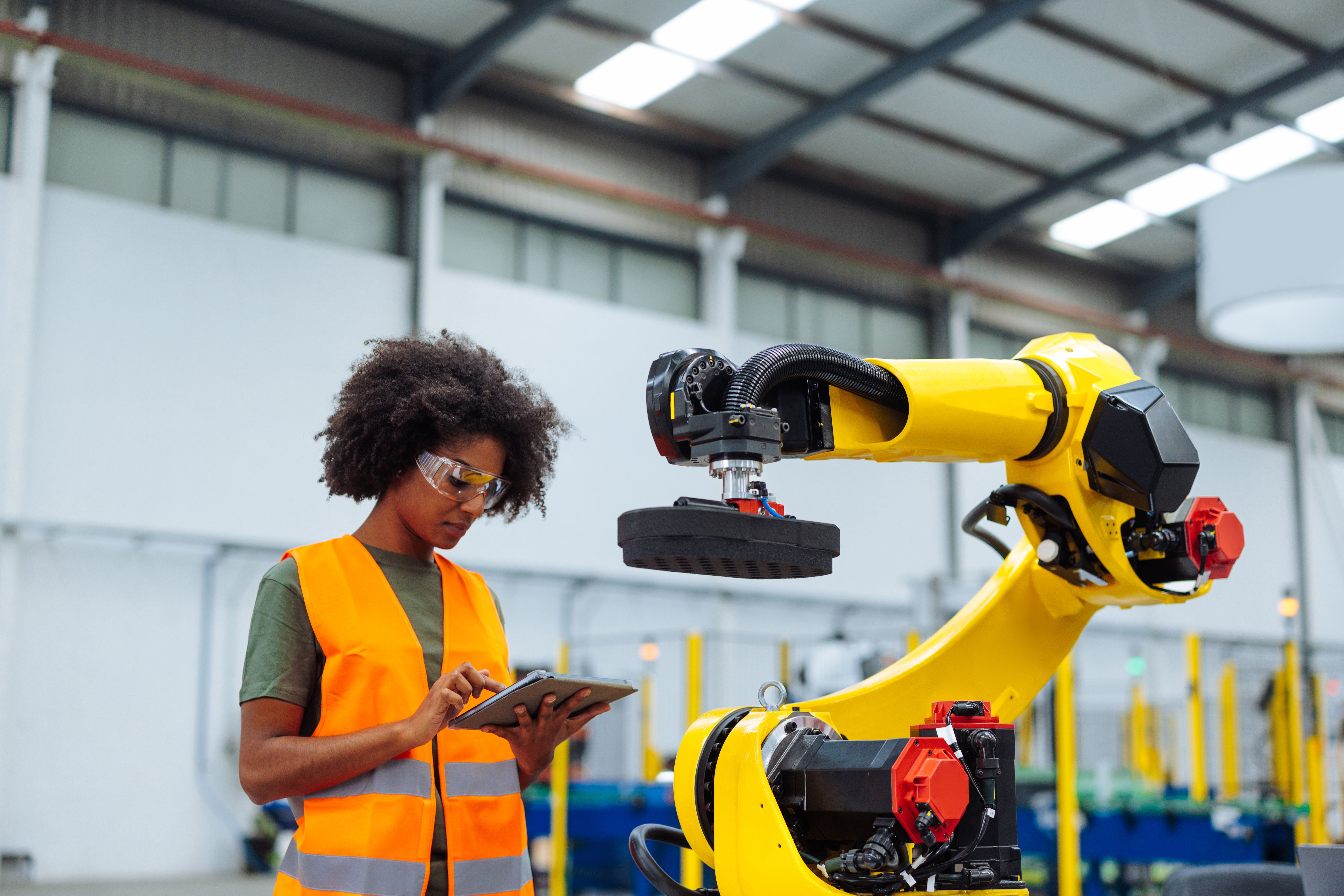
Moreover, AI technology requires human oversight, monitoring, and maintenance. This demand for skilled professionals in AI-related fields creates new job opportunities, emphasizing the importance of adaptability and continuous learning in the workforce.
AI Is Infallible
Some people believe that AI systems are perfect and incapable of error. However, AI is only as good as the data and algorithms it relies on. Biases in data or flaws in algorithm design can lead to incorrect or unfair outcomes. It's crucial to approach AI with a critical mindset, understanding that it requires careful implementation and ongoing evaluation.
Ensuring the ethical use of AI involves addressing these biases and refining algorithms to minimize errors. By doing so, we can harness AI's potential while maintaining fairness and accuracy in its applications.
AI Can Operate Independently Without Human Input
AI systems require human input for development, training, and refinement. While AI can automate specific processes, it still relies on human guidance to function correctly. This collaboration between humans and AI is vital to ensure that AI systems align with our goals and values.
Continuous human involvement is necessary to adapt AI to changing needs and to address any unintended consequences that may arise. This partnership is key to leveraging AI effectively and responsibly.
Conclusion
By debunking these common misconceptions, we hope to clarify the realities of AI and its role in our world. Understanding AI's true capabilities and limitations allows us to harness its potential more effectively, paving the way for innovation and progress.