
Generative AI: A Game Changer for Creative Industries


Introduction to Generative AI
Generative AI is rapidly transforming various sectors, with the creative industries experiencing some of the most profound changes. By leveraging advanced algorithms, generative AI models can produce content that was once solely within the realm of human creativity. From music and art to writing and design, this technology is reshaping the landscape of creative work.
The ability of these models to learn from vast datasets allows them to generate new and innovative content, providing artists and creators with tools that enhance their work rather than replace it. As a result, we are witnessing a new era where AI becomes a collaborator in the creative process.

Impact on Visual Arts
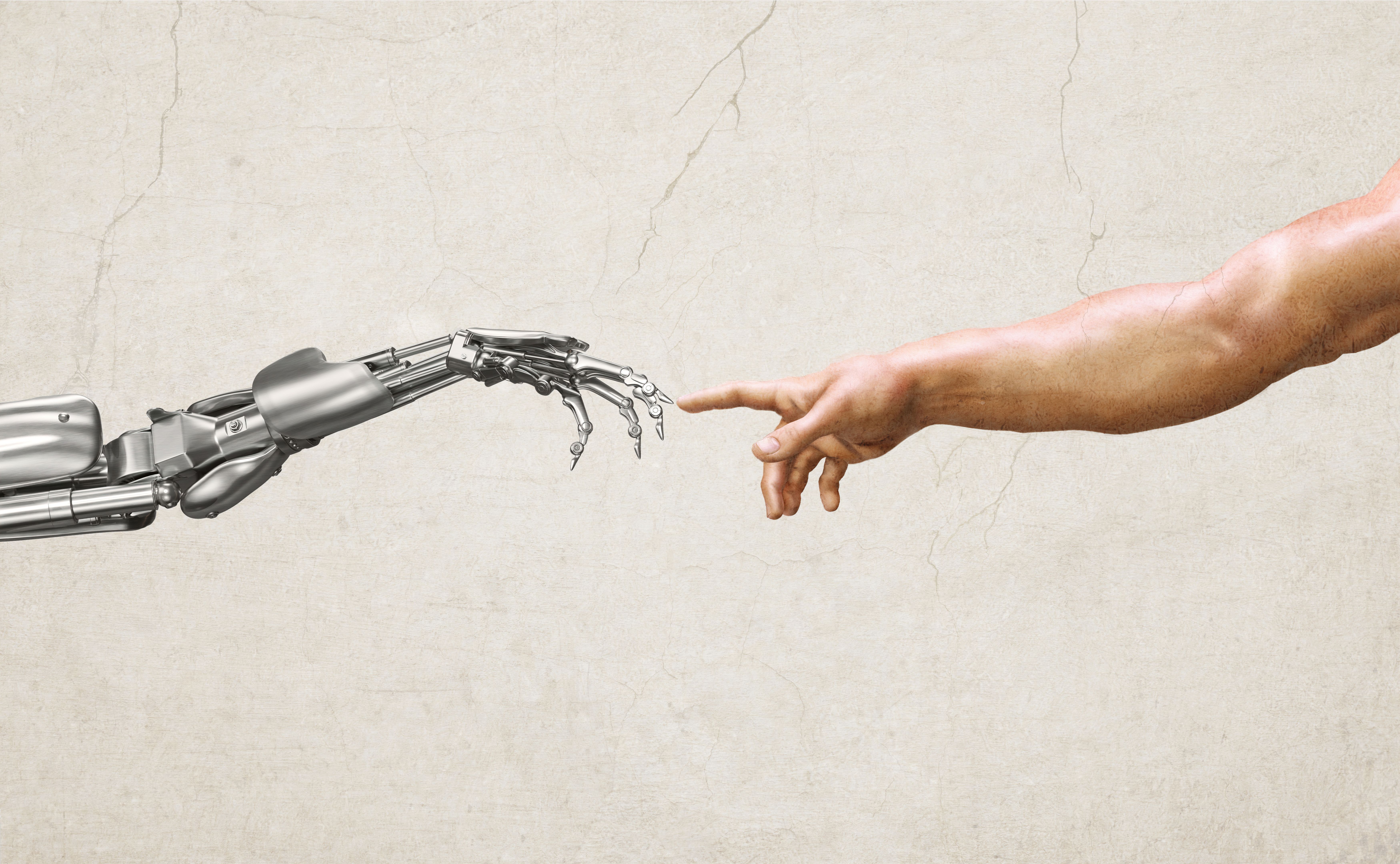
In the world of visual arts, generative AI is opening up unprecedented possibilities. Artists can use AI to generate novel artwork, explore new styles, and even collaborate with the technology to create pieces that would be impossible to produce manually. This fusion of human and machine creativity is pushing the boundaries of what art can be.
For instance, AI can analyze thousands of images to understand artistic styles, enabling it to generate paintings that mimic famous artists or create entirely new styles. This capability not only inspires artists but also democratizes art creation, allowing anyone with access to these tools to explore their artistic potential.
Revolutionizing Music Production
The music industry is another area where generative AI is making significant strides. AI can now compose music, generate lyrics, and even mix tracks, providing musicians with a powerful ally in the studio. These tools can serve as a source of inspiration, offering new melodies or rhythms that artists might not have considered.
Moreover, AI-generated music is being used in diverse applications, from video games to film scores, expanding the possibilities for soundtracks and audio experiences. This technology is not about replacing musicians but rather enhancing their creative toolkit.
Transforming Writing and Content Creation
Generative AI is also revolutionizing the field of writing. From generating news articles to crafting creative stories, AI models like GPT-3 are assisting writers in producing high-quality content. These tools can help overcome writer's block by suggesting ideas or even drafting initial versions of texts.
Content creators in marketing, journalism, and entertainment are finding AI to be a valuable partner in their work. By automating repetitive tasks and providing fresh perspectives, AI allows writers to focus on the more nuanced aspects of storytelling and content strategy.
Design and Architecture Innovations
In design and architecture, generative AI is being used to create innovative structures and spaces. By analyzing existing designs and materials, AI can propose new architectural concepts that optimize aesthetics, functionality, and sustainability.
These advancements not only streamline the design process but also inspire architects and designers to think outside the box, fostering a new wave of creativity and innovation in the industry.

Conclusion: The Future of Creativity
Generative AI is undoubtedly a game changer for creative industries, offering tools that augment human creativity and open up new possibilities. As the technology continues to evolve, its integration into creative processes will likely become more seamless and sophisticated.
While there are challenges and ethical considerations to address, the potential benefits of generative AI are immense. By embracing this technology, creative professionals can push the boundaries of their work, ushering in a new era of innovation and artistic expression.