
Generative AI: Revolutionizing Creativity and Business Innovation


The Rise of Generative AI
Generative AI is rapidly transforming the landscape of creativity and business innovation. By leveraging advanced algorithms, it can produce content, designs, and ideas that were once thought to be exclusively human domains. This technology is not just a trend but a powerful tool reshaping how we approach various industries.
In essence, generative AI utilizes machine learning models to generate new content based on existing data. These models are trained on vast datasets, enabling them to understand and replicate patterns, styles, and structures. As a result, businesses can streamline processes, reduce costs, and enhance creativity.
How Generative AI Fuels Creativity
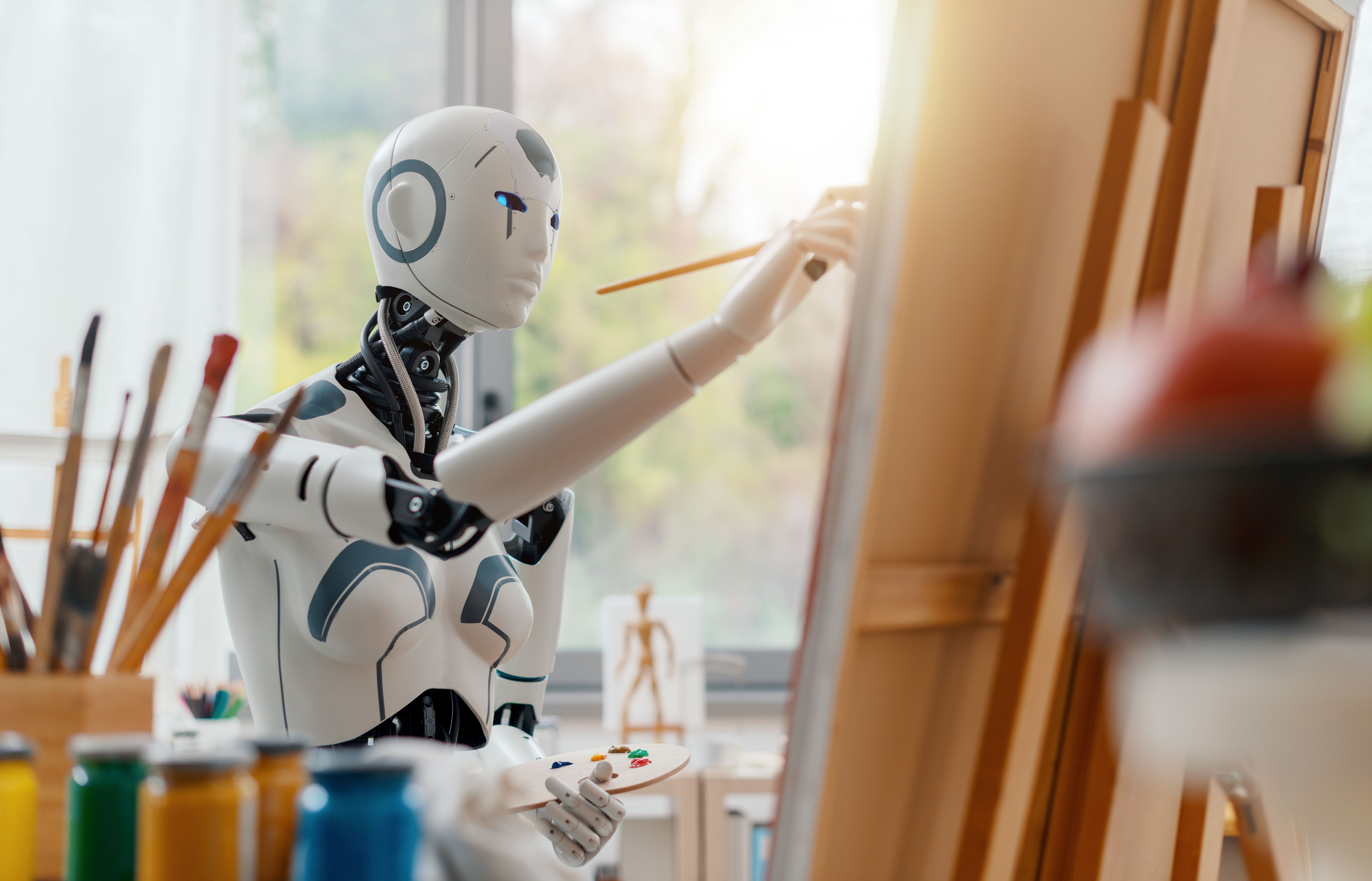
Artists and designers are finding new avenues for creativity with generative AI. By inputting a set of parameters, they can explore endless variations of art, music, and design. This not only speeds up the creative process but also opens the door to unexpected and innovative outcomes.
For instance, in the fashion industry, designers use AI to generate unique patterns and styles, pushing the boundaries of traditional design. Similarly, musicians are experimenting with AI-generated compositions, blending human creativity with machine precision.
Business Innovation Through Generative AI
Businesses are harnessing the power of generative AI to drive innovation and efficiency. In product development, AI can simulate thousands of prototypes, identifying the most promising designs without the need for extensive physical testing. This accelerates the development cycle and reduces costs.
Marketing strategies are also evolving. AI-generated content can personalize customer experiences, crafting messages that resonate with individual preferences. This level of customization enhances engagement and drives customer loyalty.

Challenges and Ethical Considerations
While generative AI presents exciting opportunities, it also poses challenges. Concerns about copyright infringement, data privacy, and ethical use are at the forefront. Businesses must navigate these issues carefully to ensure responsible AI adoption.
Moreover, the question of authorship and originality arises. As AI-generated content becomes more prevalent, distinguishing between human and machine creations will become increasingly complex. Establishing clear guidelines will be crucial for fair use and attribution.
The Future of Generative AI
The potential of generative AI is vast and still largely untapped. As technology continues to evolve, its applications will expand across industries, driving further innovation. From healthcare to entertainment, the possibilities are endless.
Organizations that embrace generative AI will likely lead the charge in their respective fields. By staying ahead of the curve, they can capitalize on new opportunities and set themselves apart from competitors.
In conclusion, generative AI is not merely a technological advancement; it's a revolution in creativity and business innovation. As we continue to explore its capabilities, the world will witness a new era of unprecedented possibilities.