
Generative AI: Transforming Creative Industries


Introduction to Generative AI
Generative AI is rapidly revolutionizing the creative industries, offering new tools and possibilities for artists, designers, and content creators. By leveraging advanced algorithms, these technologies can produce unique content, from art and music to literature and fashion. This transformation is not just enhancing creativity but also enabling creators to explore new frontiers.
Enhancing Artistic Expression
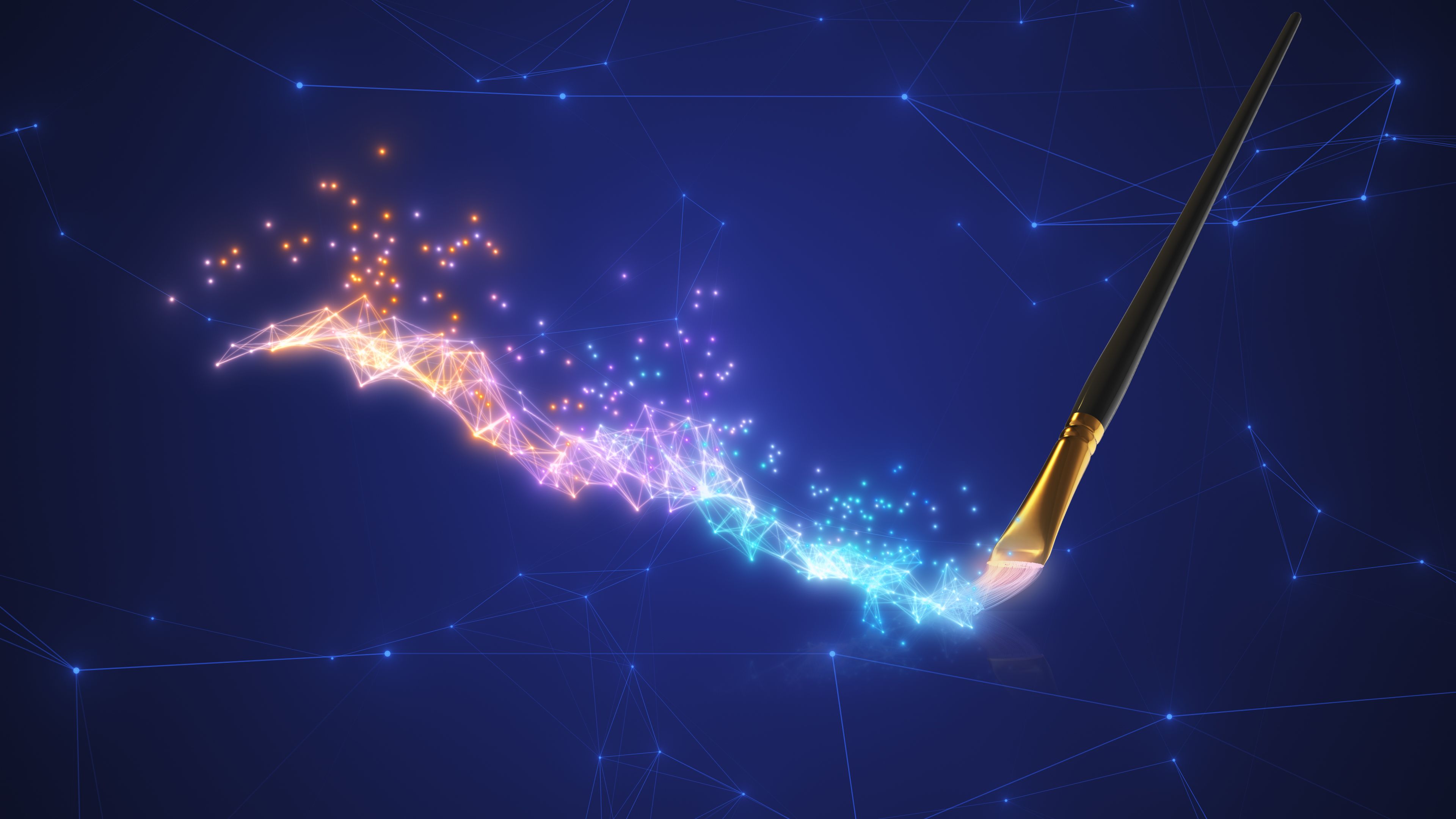
Artists are using generative AI to push the boundaries of traditional art forms. By inputting specific parameters, they can collaborate with AI to create intricate designs and patterns that might not be possible through conventional methods. This symbiosis between human creativity and machine intelligence is opening up new avenues for artistic expression.
Moreover, AI-driven tools provide artists with the ability to experiment with various styles and techniques without the constraints of time or resources. This flexibility encourages innovation and allows artists to explore diverse artistic possibilities.
Revolutionizing Content Creation
Content creators are finding generative AI invaluable in producing high-quality content efficiently. From generating blog posts and scripts to crafting social media content, AI is becoming an indispensable tool in the content creation toolkit. It assists in maintaining a consistent tone and style, ensuring that the content resonates with the intended audience.

Additionally, AI can analyze vast amounts of data to identify trends and preferences, enabling creators to tailor their content to meet audience demands effectively. This data-driven approach enhances engagement and drives success in the competitive digital landscape.
Transforming Design and Fashion
In the world of design and fashion, generative AI is making waves by offering innovative design solutions. Designers can use AI to generate unique patterns, textures, and styles, pushing the boundaries of what's possible in fashion. This technology allows for rapid prototyping and experimentation, reducing time-to-market for new designs.
AI's ability to process and analyze fashion trends also empowers designers to stay ahead of the curve, ensuring their creations remain relevant and appealing to consumers. This fusion of creativity and technology is reshaping the fashion industry.

Challenges and Considerations
While generative AI presents many opportunities, it also poses challenges that need to be addressed. Issues such as copyright, authenticity, and ethical considerations are paramount. As AI-generated content becomes more prevalent, ensuring that creators retain ownership and control over their work is crucial.
Furthermore, there is an ongoing debate about the role of AI in creativity. Some argue that the human touch is irreplaceable, while others believe that AI enhances creative potential. Balancing these perspectives is essential for the continued evolution of creative industries.
The Future of Creative Industries
As generative AI continues to evolve, its impact on creative industries is likely to grow. Emerging technologies such as virtual reality and augmented reality are expected to integrate with AI, offering even more immersive and interactive experiences. This convergence will redefine how we perceive and engage with creative content.
In conclusion, generative AI is not just transforming creative industries; it is redefining the very nature of creativity. By embracing these technologies, creators can unlock new possibilities and inspire future generations to explore the uncharted territories of imagination.