
Generative AI: Transforming Creativity and Innovation


Introduction to Generative AI
Generative AI is a groundbreaking technology that is reshaping the landscape of creativity and innovation. By leveraging advanced algorithms, it can produce content, designs, and ideas that were once thought to be exclusive to human creativity. This transformation is opening new avenues for industries across the globe.

The Mechanics Behind Generative AI
At its core, generative AI utilizes neural networks, specifically deep learning models, to understand and replicate patterns. These models are trained on vast datasets, enabling them to generate outputs ranging from text and images to music and even complex designs. The capability to learn and adapt makes generative AI a powerful tool for innovation.
Types of Generative Models
There are several types of generative models, with Generative Adversarial Networks (GANs) and Variational Autoencoders (VAEs) being the most prominent. GANs consist of two neural networks that compete to create realistic outputs, while VAEs focus on learning efficient data encodings. Both are instrumental in driving the creative potential of AI.

Impact on the Creative Industry
The creative industry is experiencing a revolution with the integration of generative AI. Artists, designers, and musicians are exploring AI as a collaborative partner, enhancing their creative processes. AI-generated art is gaining recognition, and music produced with AI assistance is finding its way into mainstream media.
Benefits for Artists and Designers
Generative AI provides artists and designers with tools to experiment beyond traditional boundaries. It allows for rapid prototyping and iteration, enabling creatives to explore concepts that were previously unimaginable. This symbiosis between human creativity and AI technology is fostering a new era of artistic expression.
Innovations Across Industries
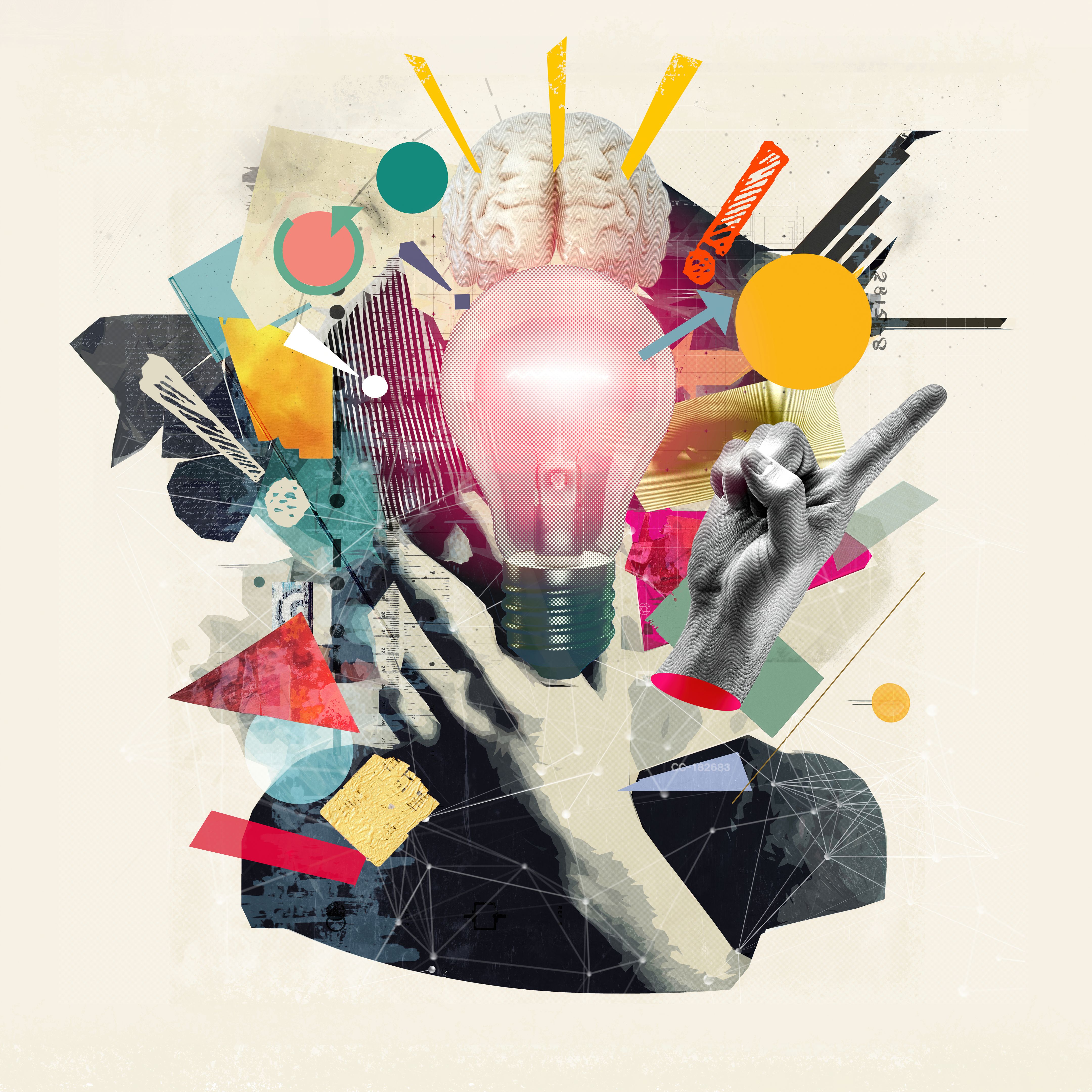
Beyond the arts, generative AI is driving innovation in various sectors. In healthcare, AI is aiding in drug discovery and personalized medicine. In architecture, it is being used to design sustainable and efficient structures. The possibilities are virtually limitless as AI continues to evolve and integrate with different industries.
Transforming Business Models
Businesses are harnessing generative AI to optimize operations and create new revenue streams. From automating content creation to developing intelligent systems for customer engagement, AI is becoming an indispensable asset for companies looking to innovate and stay competitive in a rapidly changing market.
Challenges and Ethical Considerations
Despite its potential, generative AI poses challenges, particularly regarding ethics and decision-making. Concerns about copyright, authenticity, and the potential for misuse need to be addressed. Establishing guidelines and ethical frameworks is crucial to ensure responsible use of AI technologies.
The Future of Generative AI
The future of generative AI is bright, with continuous advancements expected to further blur the lines between human and machine creativity. By fostering collaboration between AI developers, artists, and policymakers, we can unlock the full potential of generative AI while ensuring ethical practices are upheld.