
Generative AI: Understanding the Latest Trends and Applications


Introduction to Generative AI
In recent years, Generative AI has emerged as one of the most exciting and transformative technologies. By leveraging advanced algorithms and neural networks, it can create new content, from images and music to human-like text. This capability opens up a world of possibilities across various industries.
Understanding the latest trends and applications of generative AI can help businesses and individuals harness its full potential. In this blog post, we will explore these trends, highlighting the most significant developments in the field.

Key Trends in Generative AI
Rise of Large Language Models
Large language models, such as GPT and its successors, have taken the AI world by storm. These models can generate coherent and contextually relevant text, making them valuable tools for content creation, customer support, and more.
Businesses are increasingly adopting these models to enhance their content strategies and improve customer engagement. The ability to produce high-quality content quickly and efficiently is a game-changer for many industries.
Advancements in Image and Video Generation
Generative AI is not limited to text; it is making significant strides in image and video creation as well. Technologies like GANs (Generative Adversarial Networks) have enabled the generation of realistic images and videos, which can be used in marketing, entertainment, and virtual reality.

Applications Across Industries
Healthcare Innovations
In healthcare, generative AI is being used to create synthetic medical data, helping researchers overcome data scarcity and enhance diagnostic tools. By generating realistic medical images, AI can aid in training medical professionals and developing new treatments.
This application is particularly beneficial in areas where real patient data is limited or difficult to obtain, accelerating the pace of medical advancements.
Personalized Marketing
Marketing has embraced generative AI to deliver personalized experiences to consumers. By analyzing customer data, AI can generate tailored content, product recommendations, and advertisements that resonate with individual preferences.

This level of personalization leads to more effective marketing campaigns and improved customer satisfaction, driving business growth and customer loyalty.
Challenges and Ethical Considerations
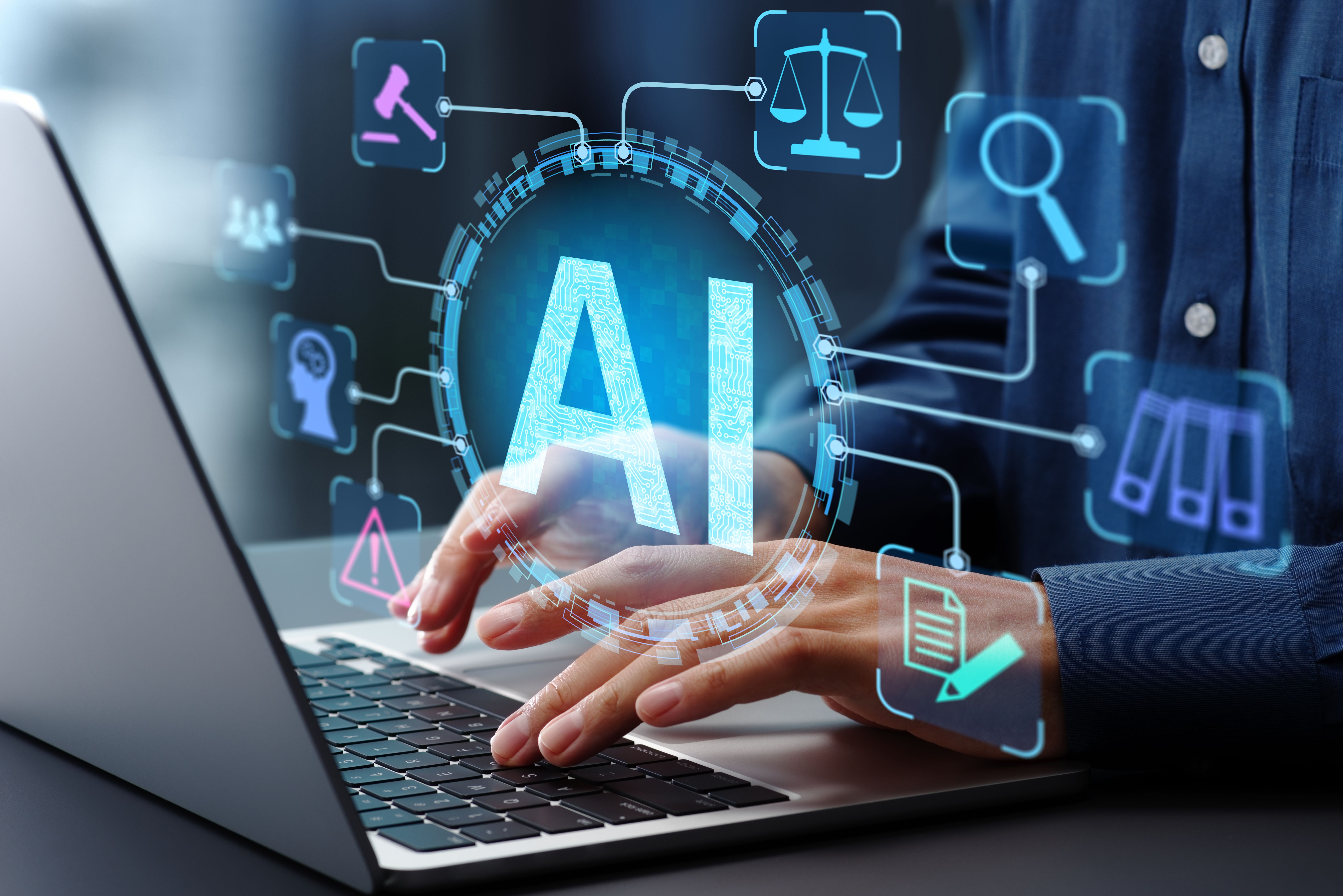
Despite its potential, generative AI also poses challenges, particularly regarding ethics and regulation. The ability to create hyper-realistic content raises concerns about misinformation and digital manipulation.
Ensuring transparency and developing ethical guidelines are crucial to responsibly leveraging generative AI technologies. Stakeholders must work together to address these challenges and promote the positive impact of AI.
Conclusion
Generative AI is reshaping the landscape of technology and innovation. By understanding its latest trends and applications, businesses can tap into new opportunities and stay ahead of the curve.
While the potential is vast, it is essential to approach this technology with a focus on ethical considerations, ensuring that its benefits are realized in a responsible manner.